
Or, 3 Things about Old Circus to Embrace in New Circus
— SANCA Blog Post by Jenna Barrett, SANCA Administrative Director
There’s no doubt about it, working in contemporary circus is fun!
The physical feats are impressive, styles are anything from bold and brassy to thoughtful and sublime; and the jokes are usually pretty funny. It feels like we’re part of the reinventing of circus, bringing a genuine, compassionate, perhaps more intelligent (and less exploitive) facet to the cut glass of this physical arts form, and making it shine like diamonds in the spotlight — or forgoing the spotlight altogether and practicing circus for the joy of it alone, no audience necessary. Like the Beat Generation of the Big Top, or something. Surfing the effervescence of dreaming up liberated yet playful crowd-pleasing acts to a beloved ancient entertainment is exciting, but if we’re going to bedazzle this particular top hat we should acknowledge the history of circus is our history — all of the history, even the seedier parts.
It seems sometimes there is a push to careen forward into New Circus, and by doing so distance oneself from “old,” or traditional, circus. The fact that the demarcation of “New” Circus is necessary at all highlights this; some of how contemporary circus defines itself is by not doing stuff that traditional circus undeniably did do, and those elements are ingrained enough in the recognition of it that they must be forsaken. Let the mistakes of the past be in the past then, my friends, but before we lock old circus history away in the attic I’d like to point out a few antiques that may be worth tucking carefully in the caravan and taking with us as we move on.
1. But Where Are the Elephants?

An Acrobatic equestrian act in Cavalia.
First things first: animals are rarely featured in contemporary circus. This makes sense from a chronological, technological point of view; we don’t use dray horses to till fields anymore, either. While New Circus is largely focused on the physical and entertaining feats of the human animal, it is important to recognize that not all of the relationships between performers and performing animals are exploitive and abusive. Acrobatic equestrians (say that three time fast) are responsible for much of the historical success of circus in the West, and the contemporary blockbuster Cavalia serves as a shining example of promise for future circus that can include performing animals in a positive, mutually beneficial way.
2. Funhouse Mirrors

Funhouse Mirrors at Playland: San Francisco History Center, SF Public Library.
Audiences seek entertainment that thrills and entertains, and the things we pay to see on stage and screen are cultural mirrors of each age. Our fears and delights are reflected in other mediums as well, like monster trends in horror movies. If zombies — creatures that were once like us, but are now undead and monstrous — are popular at present because they embody the vile possibilities of the human without the humanity, then could it be that dreamlike aerialists in the sky and cavorting acrobats represent living heroes who show us the dazzling feats that are possible the stranger beside us on the bus?
3. Live Girls

Sells Floto circus M’lle Beeson, a marvelous high wire Venus.
How did circus women help the suffrage movement? In those charming vintage posters there is an unmistakable patina of the seedy, the salty, and risqué always seeming to almost topple into raunchy. However, circus athletes of the early 20th century could not perform in the puritanical trappings of women’s dress of the day, and so they were some of the first women to wear short skirts in public. This gender-inclusive trend continues to this day, where studies show that circus is one of the few sports activities that create success for all kids who put their mind to it, regardless of the social influences and differences that typically separate boys and girls in athletics.

In circus, the only limits are imagination.
Besides, it’s not like traditional circus went anywhere, as the continued prosperity of centuries-old traditional circus outfits indicates. However, it is heartening to see traditional circus quietly reform their menagerie to reflect their audience’s desires, and do away with the more distasteful elements in their shows. Many “circus traditions” are little more than marketing gimmicks dreamed up by the show outfit themselves, to create fondness, and are easily swayed by modern trends. Like circus peanuts. Peanuts? In public?! Where children that may possibly have allergies are present?!? This is America, buster. That’s just a nonstarter. But these days there is room in the theater for both traditional and contemporary, and that emergence is exciting.
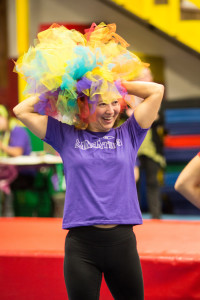 SANCAthon is a super fun community celebration! We’ve got exciting plans for this year’s SANCAthon and you don’t want to miss it!
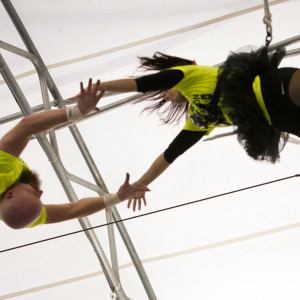 Team Catchathon: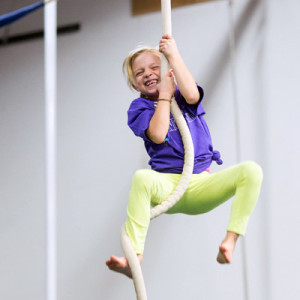
 Team CANYONATHON:
 Team Handstand:
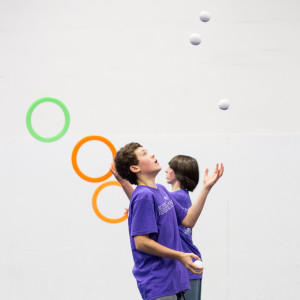 Team Juggler: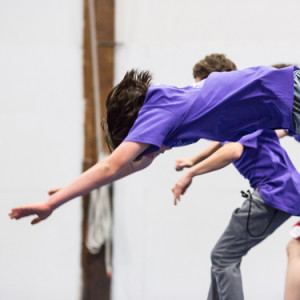
 Turbo Tots:
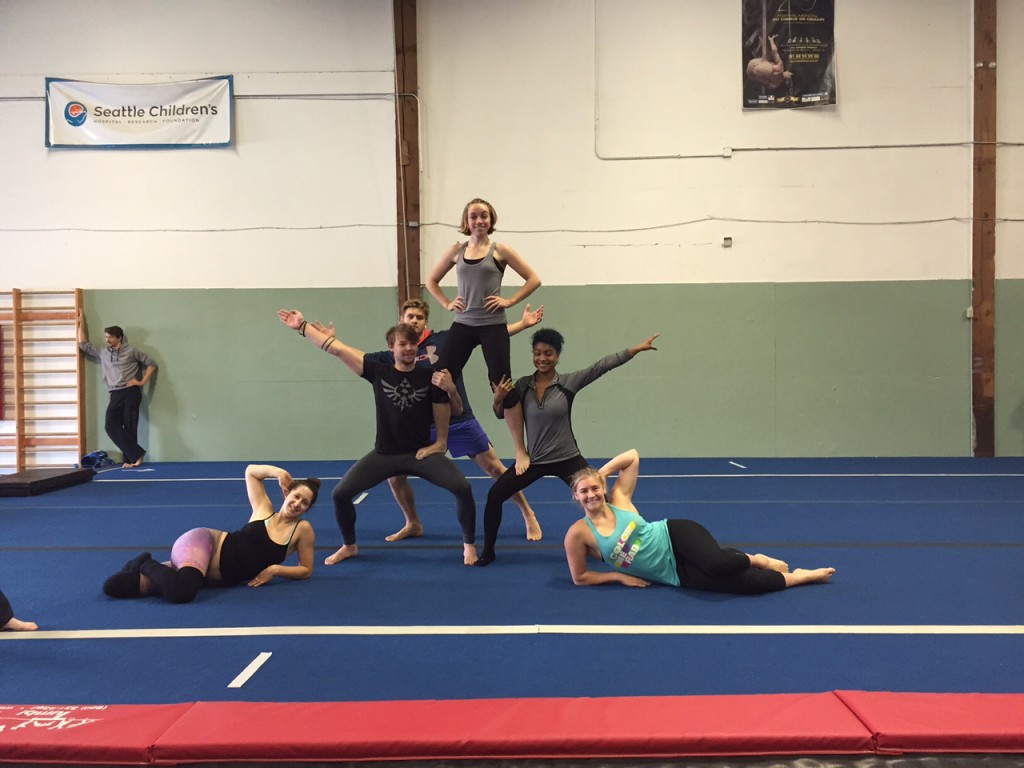
 Cameron Clarke is 19 and hopes to become a circus generalist and expand on every discipline that he can while at SANCA because there is so much variety and so much to learn. Cameron says:
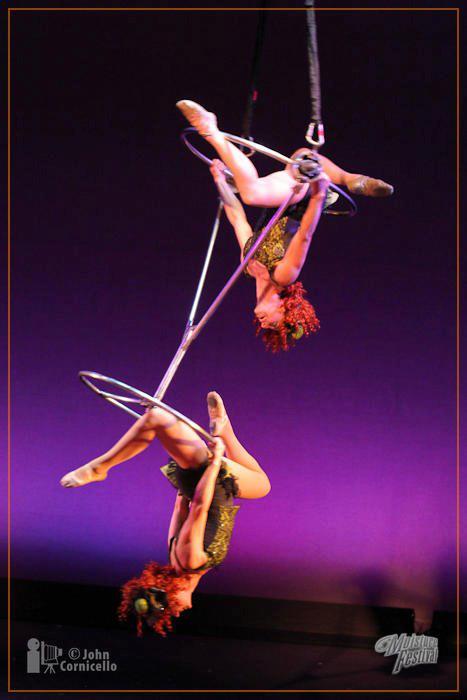
 Katheryn Reed is 28 and has been a dancer all her life, but she says it didn’t always feel like it was a viable career, that something was missing, and that her body felt disconnected.






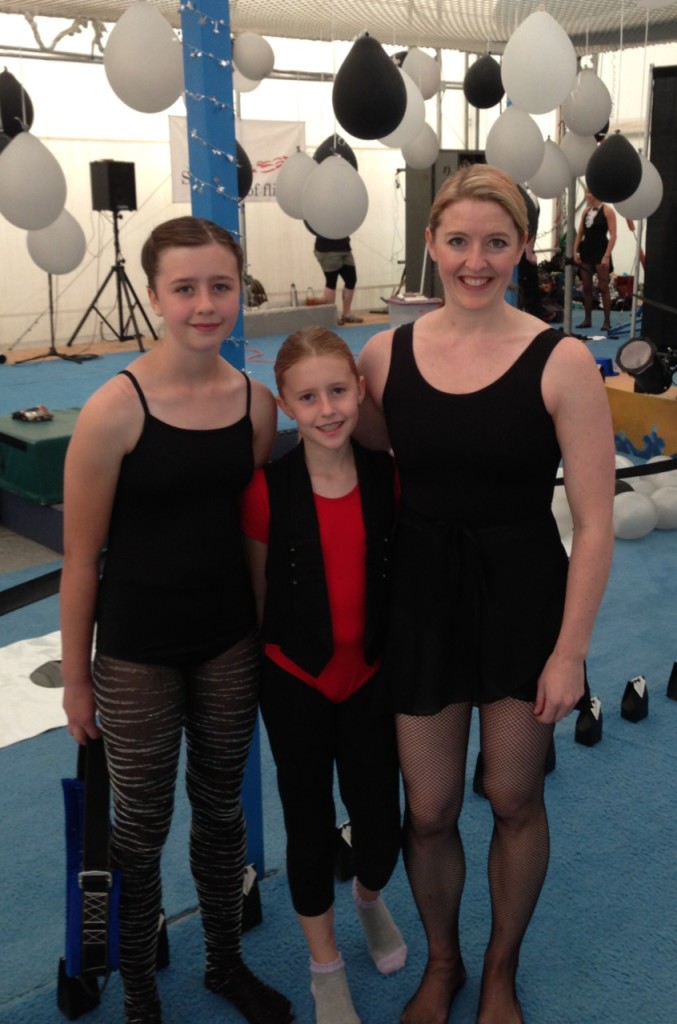

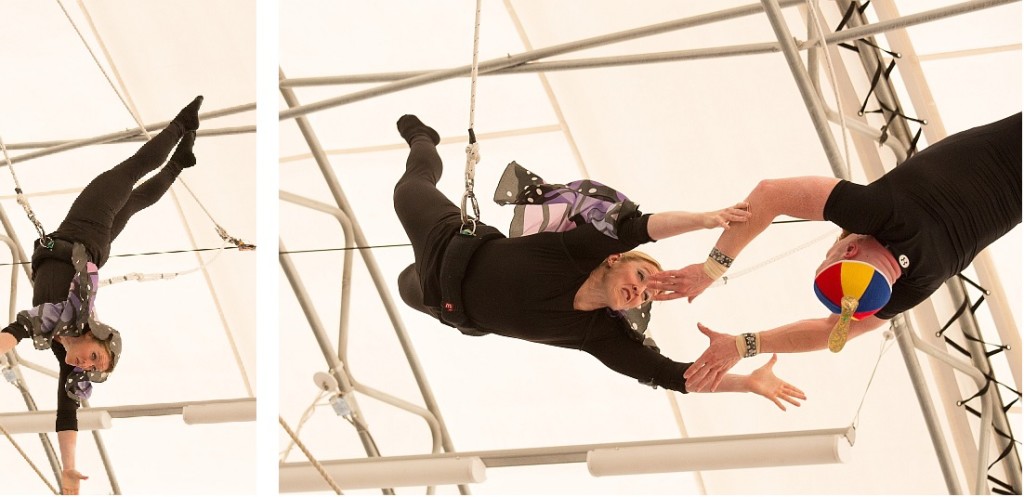

 Tanuga is located in northern Michigan, about 40 minutes outside of Traverse City, with the closest town, Kalkaska, about 15 minutes away. For someone that grew up in a big city then moved to the Seattle metropolis four years ago, camp was an adjustment. There’s no supermarket around the corner, no redbox down the road, and Internet service was sometimes a bit shaky. That being said, my summer was full of new and fun experiences not involving technology or stores down the road.
 8:30 Breakfast
 The other part of camp that I loved was getting to grow as a flyer myself. My cabin was about a 10 second walk to the trapeze (give or take a few seconds). It was a dream to be able to walk out my door and fly every day. This summer I faced a lot of fears that I have has a flyer. I was pushed by the people on my team to go to new heights (so to speak), and believe I grew a lot as a trapeze artist, coach, and person. I even caught my double out of safety lines for the first time, something I hadn’t even fathomed I would do this summer.


