SANCA and School Closures

Dear SANCA Community:

To better serve our community we are clarifying our open hours from our last announcement. As a reminder, all classes and workshops are cancelled for the remainder of Winter session through March 28. During March, SANCA will remain open from 10am-7pm on weekdays and 10am-5pm on weekends for office hours, and for private lessons and personal training. This is a day-to-day situation, so we reserve the right to shut down entirely and go dark if needed at any time without advance notice.

Call our offices if you wish to inquire about the availability of a private lesson in March – many of the canceled classes can be taught to individuals or small groups (4 or less): (206) 652-4433.

As you may know, yesterday Governor Inslee ordered all schools in King County to be closed through April 24. As an independent non-profit organization, SANCA is not required to follow this order. Historically, SANCA has followed Seattle Public Schools for weather and other closures. Our team will be gathering information for the Board meeting on Monday, when we expect to make a decision about SANCA’s status for the Spring session beginning March 29. At this point, I am hopeful that SANCA will re-open for Spring although it likely will include a changed approach to our operation.

For many days now, SANCA has been working under new procedures for operation:

  • We require all staff and students to stay home if experiencing any symptoms.
  • We disinfect all equipment before and after use, even if this reduces class time.
  • We require all staff and students to wash their hands before and after each class.
  • All high touch surfaces (door handles, faucets, etc.) are cleaned several times a day.
  • We encourage social distancing; in cases where this is not possible such as partner acro, consent by all parties is required.

If you wish to make a donation to support SANCA’s work at this time, please visit our website to donate online. Thank you!

Amazon Smile is another great way to support SANCA! If you are ordering items for delivery during this outbreak, you can help SANCA by using the link below:

As long as our offices remain open, we will continue enrolling students for Spring session. Priority enrollment is currently open for any Winter session students who wish to sign up, and open enrollment for new students will begin March 15. Check our Spring Session class schedule.

We will do our best to send out regular updates and news as events warrant, by email and on our website.

Thank you for your support of SANCA and please stay safe!

Cheers,
John Tannous
Executive Director

Health Update – 3/11/2020

Dear SANCA Community:
First of all, we love you and are so grateful that you are part of our family. We truly appreciate each one of you and the unique ways you make SANCA so amazing.
As you probably have expected, SANCA is following the decision by Seattle Public Schools and canceling all classes and workshops for the remainder of the Winter session, beginning Thursday, March 12, through Saturday, March 28. Our hope is to reopen for the beginning of the Spring session on March 29, but that decision will come at a later date.
For the time being, SANCA will remain open from 10am-7pm on week days and 10am-5pm on weekends for office hours, and for private lessons and personal training. This is a day-to-day situation, so we reserve the right to shut down entirely and go dark if needed at any time without advance notice. If you intend to come in for private lessons or training, I encourage you to read King County’s recent announcement about gatherings in full, but especially this portion of their announcement:
Under the Health Officer’s order in King County:
  • Events with more than 250 attendees are prohibited.
  • Public events with fewer than 250 attendees are prohibited, unless event organizers can take steps to minimize risk. Event organizers must ensure that:
    • Older and vulnerable individuals have been encouraged not to attend
    • Recommendations for social distancing and limiting close contact are met
    • Employees or volunteers leading an event are screened for symptoms each day
    • Proper hand washing, sanitation, and cleaning is readily available
    • Environmental cleaning guidelines are followed (e.g., clean and disinfect high touch surfaces daily or more frequently)
As a non-profit organization that relies heavily on income from our classes, SANCA will be seeking every available resource to find support for our staff and coaches during this situation and in its aftermath. We are asking students and families to consider donating their class credit for the Winter session canceled classes back to SANCA. If you are enrolled in Winter session classes and wish to donate back or request credit, please click here to complete a request form. In order to receive credit for canceled classes, you must complete the form by March 19, 2020.
If you wish to make an additional donation to support SANCA’s work at this time, please visit our website to donate online. Thank you!
As long as our offices remain open, we will continue enrolling students for Spring session. Priority enrollment is currently open for any Winter session students who wish to sign up, and open enrollment for new students will begin March 15. Check our Spring Session Class Schedule
We will do our best to send out additional updates and news as events warrant, by email and on our website.
Thank you for your support of SANCA and please stay safe!
Executive Director

SANCA Health Update 03/08/2020

Hello SANCA Students and Parents!
I’m writing to provide you an update about COVID-19 and SANCA’s efforts in response. Our top priority is the health of all of our students, staff, and community members.
As of today, SANCA remains open for regular classes. We follow Seattle Public Schools; when they shut down due to weather, SANCA also shuts down. As of now, our plan is to follow Seattle Public Schools in regards to COVID-19.
Our efforts to combat the spread of the virus are as follows:
1. SANCA requires that all coaches and students wash their hands before and after each class.
2. SANCA requires that any staff member or student who is experiencing any symptoms (cough, sore throat, runny nose, fever) of any kind, no matter how mild, stays home and does not come to SANCA.
3. Beginning Monday March 9, we are ramping up our efforts to disinfect surfaces, equipment, door handles, etc. Our approach will be to disinfect everything daily. HOWEVER, we don’t have the capacity to do this with staff only, so we are seeking volunteers to assist with this effort. Please email me if you would like to volunteer for this.
4. Beginning Monday March 9, we are asking all coaches to disinfect surfaces and equipment used immediately after each class.
Regarding #3 and #4, even with these efforts, we understand that it’s impossible to catch everything. This is why we have elected to support our students with class credit if you are not comfortable coming to class due to concerns about the spread. This is not the typical SANCA policy; however, this is not a typical situation. If you are missing class due to COVID-19 and wish to receive credit, please email [email protected] in advance of your class. Please do not call the office for this request, as we are currently in the midst of enrollment and our phone lines are very busy.
If you wish to support SANCA during this time, you may elect to donate your class credit back to support us. Additional donations to support SANCA are greatly appreciated, especially given the potential lost revenue SANCA may incur as we ramp up our response.
New updates about SANCA’s policy in regards to COVID-19 will be posted on our website and sent out to all students by email.
Cheers,
John Tannous
Executive Director

Our staff and students disinfecting surfaces:

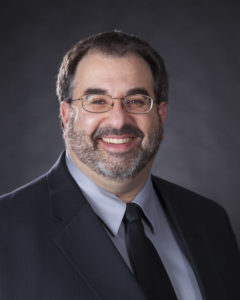
SANCA – New Executive Director

John Tannous hired as the new Executive Director of the School of Acrobatics & New Circus Arts

SEATTLE, WA – JANUARY 15, 2020 —The School of Acrobatics & New Circus Arts (SANCA) is delighted to welcome John Tannous as the new Executive Director of Seattle’s only non-profit circus school for people of all ages, backgrounds, and abilities. After a nationwide, four-month search, John was selected to lead SANCA’s latest chapter in a 15-year history of playing a vital role in the health, arts, and cultural landscape of Seattle.

Over the past twenty years, John has served as the Executive Director of four different non-profit organizations including the Flagstaff Arts Council in Flagstaff, Arizona. Under his leadership, the Arts Council grew consistently and steadily. He also served as Executive Director for Tsunami on the Square Performing Arts Festival in Prescott, Arizona. Tsunami featured several stages and a variety of outdoor street theatre performances, including artists such as Carpetbag Brigade, Clan Tynker, Flam Chen, and Wise Fool New Mexico. John’s experience in these positions makes him an excellent choice to lead SANCA.

Regarding his selection, John says, “SANCA is a world class acrobatics and circus school with innovative programs and incredible artistic talent. I’m honored to have been selected as their next Executive Director. I’m eager to join them in the important work of serving the community of Seattle through the creativity of acrobatics and circus arts.”

Speaking on behalf of SANCA’s Board of Directors, Board President Bruce Ritzen says, “We are very pleased that John is going to join us at SANCA as the new Executive Director. He’s got a great blend of enthusiasm and practical know-how, which we think will fit in with SANCA nicely.  John’s extensive work in the arts field has included administration, fundraising, and even some circus! We look forward to SANCA’s future under John’s leadership.”

John succeeds Dan Bridge, who held the position of interim Executive Director during the last 6 months to guide the organization through this transition. All of us at SANCA are grateful for Dan’s keen leadership, support, and desire to help us chart the continued future of the organization.

John Tannous will officially start as SANCA’s Executive Director on January 20, 2020.

TWC – Transformational Women’s Circus

This fall, The Transformational Women’s Circus (TWC) has been busy interviewing and screening new members for the 2020 cohort, which begins in January. TWC is an integrative social circus program which incorporates circus arts with psychotherapy to help women work through traumatic events in their lives. TWC began as an idea in 2017, and now, it is sailing forward into its third year of operations. TWC is a unique program at SANCA, certainly, but it is also a unique program internationally. Though there are a good handful of women’s circus program around the world, TWC is the only one in the world that integrates circus arts with drama therapy and trauma-focused group therapy. One of our new Every Body’s Circus coaches, Trevor Ashbury, sat down with Amber and Sarah, TWC’s lead facilitators, to talk about how TWC was born, how the therapy in TWC works, and what it is like to be inside of The Transformational Women’s Circus.
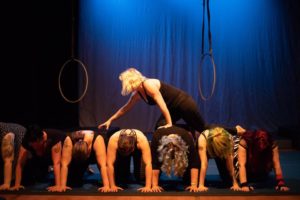
Trevor: Can you introduce yourselves? Your backgrounds, what brought you to TWC?

Amber: Sure, my name is Amber, and I am the creator and Lead Facilitator of The Transformational Women’s Circus. I am a Psychotherapist, I specialize in Drama Therapy, Family Therapy, Play Therapy, and Trauma-focused, experiential therapies. I began working with Women in 2004, first as a childbirth educator and Doula, then I transitioned into the mental health field in 2012, specializing in residential counseling, mental health first aid, and outreach case management with pregnant women struggling with addiction. I began working as a therapist in the last several years, the Transformational Women’s Circus was my Master’s thesis in my graduate work. Its amazing to me that it began as a dream and is now in its 3rd year.

Sarah: I’m Sarah Wells-Ikeda, co-facilitator and program coordinator for TWC. I’ve worked with women and children in some capacity for the last 15 years — often utilizing creative expression, social-emotional learning techniques, and asset-based skill and confidence building. I have always been both a highly creative and deeply spiritual person. My collegiate and graduate education in Women’s Studies, Psychology, and Creative Expression, paired with a background in theater, focused on reconnecting to authenticity and power through the body, the importance of individual stories and collective experiences, and empowerment through meaning making and connection. My connection to circus started with my introduction to and eventually into a neo-vaudevillian clown troupe (Fou Fou Ha!) in San Francisco, where I lived from 2009-2018. I had learned about SANCA through a fellow circus artist and performer who was a teaching artist here for many years. Shortly after moving to Seattle last year, Amber and I met synchronistically while both attending a friend’s birthday gathering. We sat in a booth together, recognizing one another as kindred spirits, and I was blown away by the powerful alignment of our passions and complementary skill sets. I always say that TWC feels like a perfect gift created by the universe (in the form of Amber). 🙂
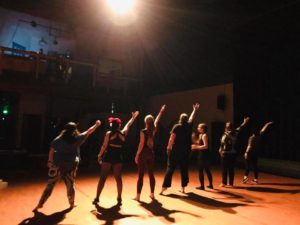
Amber: Yes! Sarah coming into my life has been such a blessing, and I couldn’t ask for a better co-facilitator. We also have Emma Curtiss as a facilitator in TWC, and we absolutely love the magic she brings to our work.

Trevor: Could you explain what TWC stands for? Why transformational?

Amber: TWC Stands for Transformational Women’s Circus. I loved that you asked this question, because this program is named after two sources of inspiration that led me to create TWC. First, I was greatly inspired by The Women’s Circus in Australia. They published a book called Women’s Circus: Leaping off The Edge, in 1997. SANCA’s founder, Jo Montgomory, gave me this book when I was a new coach at SANCA and expressed interest in using circus therapeutically with women. Jo said, “here, read this” And I devoured the book. Not too long after this, I began training as a Drama Therapist, and was privileged enough to work under Armand Volkas, who leads an amazing project called Healing the Wounds of History through Transformative Theatre. I took these two ideas- a women’s circus and a transformative theatrical space, and The Transformational Women’s Circus was born.

Trevor: TWC incorporates movement, theatre, story and action throughout the session, why is it important that all of these elements are involved?

Sarah: In laying the foundation for all we dive into in TWC, it is imperative to first ground the body. The body houses our lived experiences, be them ones we have navigated firsthand in this life, or ones that have been passed down to us through our DNA and ancestral lineages, including all of the stories, traumas, wisdom, burdens and blessings. We have a unique power as humans to live and breathe our stories, and we have the ability to carry our stories forward into the future, to change the course of our histories. Theatre and storytelling are particularly effective modalities that allow us a forum in which to tell these stories. Additionally, Theatre and storytelling provides aesthetic distance so that we are able to tell difficult stories safely. We find that in session, a triadic approach (which includes warming up the bodies and emotions, diving deep into transformative process, and then closing with meaning making) is highly effective in navigating complex trauma, difficult emotions, self-actualization, and resiliency.

Trevor: How does TWC’s program design and content meaningfully, and holistically, engage with the (e/a)ffects of trauma?

Amber: First and foremost, we work very intentionally to create bonding and relationships between members of the group to establish a safe container in which traumatic experiences can be explored. Traumatic experiences, particularly childhood abuse and domestic violence, leave lasting, pervasive effects on how we feel in our body, how well we are able to regulate our moods, how we show up in relationships, and how willing and able we are to evaluate those experiences and be open about them. Thus, TWC target every single one of those areas. We move our bodies through circus arts training and learn about how to care for our nervous systems. We work on regulating our moods in session through creative, expressive activities, and gain insight into things that affect our mood, like anxiety and depression. We heal relationship wounds by making new, safe, stable relationships with each other and practice advocating for our needs within those relationships. And, finally, we perform our stories on stage before an audience, which allows us to confront pain we have not been able to look at in the past.

Trevor: Can you talk about how you all help to cultivate and support a sense of safety within the group interpersonally, within the arc of each class session, and within the scope of the program?

Sarah: We are very strategic in sequencing the sessions in a way that provides ample space and time for the group to bond with one another. This is first introduced through a focus on play. We are all intrinsically creative, playful beings — but many times, as adults especially, we are cut off from this sense of wonder and awe and therefore, can often have a hard time approaching the world and life with open eyes and open hearts. Often, in early life, we are given messages by our families of origins, peers, educational systems, and/or society which stifles our innate connection to our bodies, our power, and the creativity which is our birthright. We find in TWC that when we reconnect to these lost and disempowered parts of ourselves, there is often a deep sense of grief and loss for these parts of ourselves which have kept us separate from others as well. Witnessing and holding one another in this process, and allowing ourselves to be brave and vulnerable in this intimate and committed group setting, paves the way for deep bonding to occur between group members and facilitators. It is moving into a sense of gentle rediscovery of ourselves, of a tender exploration into where we experienced heartfelt connection and excitement as a child, that helps us to reconnect first with ourselves, the containers that house our spirits, memories and emotions, and then to use this as a pathway to build connections with others from this place of innocence, wonder, and whimsy.

Trevor: Can you talk about the role of radical self-acceptance in TWC? What is radical self acceptance? Why is it helpful? Could you describe an instance or paint a picture of what radical self-acceptance might look like?

Sarah: I think a poignant way to illustrate radical acceptance within the scope of TWC is to discuss the difference between the words healing and integration. We are wary of the word “healing”, as it is a deficit-based term that presumes that something is inevitably wrong with you or broken within you. Instead, we use the container of TWC to deeply dive into our shadow, the parts of ourselves that may be hidden, stifled, minimized, or cast away to make space for the portion or masks of ourselves that have been deemed appropriate, acceptable and loveable through our lived experience. Integration is the process by which we bring these pieces out of the darkness and into the light, and radical self-acceptance is the process of honoring them as equally valid and important part of ourselves and our experiences.
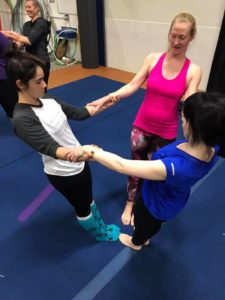
Amber: Agreed. We hope to challenge normative ideas about what it looks like to care for ourselves, embrace ourselves, and love ourselves. So much of mental health culture is about becoming “better” and eliminating symptoms. Don’t get me wrong- we also hope the members of TWC will have less symptoms after they complete the program. But, for us, it’s less about eliminating part of yourself you don’t like- the symptomatic parts that are anxious and/or depressed, and much more about developing a relationship with those parts of yourself. Depression, anxiety, moodiness, anger, grief- all of these emotions are rich sources of information about what we need. They are painful, certainly, but they are not without value. To me, this is radical acceptance within TWC.

Trevor: In the first TWC the container, or overarching theme, was the Hero’s Journey. The second TWC used the 4 Stages of Alchemy-Darkness, Illumination, Elucidation, and Transformation. How did you come to these themes? And, if you are willing to share, what is being imagined for this year’s TWC?

Amber: While I’d love to tell you, I’m afraid that we are keeping this year’s theme under wraps for now. I can say, however, that we are very excited about it, and we think this year’s theme will be impactful, creative, and effective. In terms of the previous year’s themes, I have learned that it is helpful in Drama Therapy to have a container for the work we do. We focus on the theme and let that guide our process. Both The Hero’s Journey and 4 stages of Alchemy are metaphors for personal transformation, and since personal transformation is our primary objective in TWC, those containers provide a wonderful space for our work together.

Trevor: In Amber’s Master’s Thesis about TWC, she writes “…the women of TWC find that words alone are insufficient vehicles for their healing, words are likewise insufficient to describe the beauty, pain, love, and personal change that occurs in the container of TWC” (Parker, 29). Knowing this, is there anything else that you all would like to say or offer to prospective students?
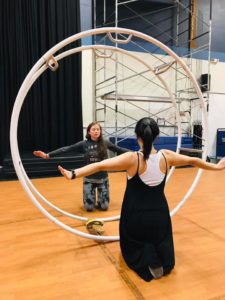
Sarah: I would just say to trust your heart, your instincts, and your intuition while exploring this as an opportunity for your life. I believe that our higher wisdom knows when it is time to bring things into our lives as vehicles for transformation and to create positive change. This is an intense program, and it takes a lot of time, energy, commitment and perseverance. That said, the personal and collective change possible as a result of traversing this journey, hand-in-hand with your cohort sisters and community is an experience and offering unlike any other.

Amber: I would really, really encourage women to apply even if they don’t think of themselves as “creative” or “artistic” or “athletic”. We really love working with women who say these things about themselves so we can help them write them a new story.

Executive Director Job Search

Dear friends of SANCA,

Good news!  The ED job search posting was released on October 1st.  Now we need to get the word out!  Please take a few minutes to pass the posting (link below) on to anyone in your network that may be interested or able to forward the announcement on to others. Applications for the position will close October 31st.

website: https://sancaseattle.org/about/who-we-are/join-us/

Thanks for your continued support,

SANCA Board

A Message from the Board of Directors

To all SANCA Staff, Students, and Supporters:

Kristina Wicke has stepped down as Executive Director of SANCA to focus on family life, following the recent passing of her mother.

On behalf of SANCA’s Board of Directors, we are saddened at her departure, and want to thank Kristina for her dedication and leadership. As SANCA Executive Director (ED) for the two and one-half years, she worked tirelessly to advocate for circus as an art form locally, nationally, and internationally. During her tenure she strengthened SANCA’s partnership with Cirque du Soleil – including hosting two-week national Social Circus trainings taught by Cirque professionals at SANCA – that set the stage for further trainings and collaborations. Kristina also helped forge new relationships with Kaiser Permanente and the Special Olympics, and led a team of SANCA’s Social Circus coaches at the 2017 Circus Folk Arts Festival on the National Mall. Before that, she served as a dedicated Board member, volunteer, and leader. Kristina is working with the SANCA Board of Directors to ensure as smooth a transition as possible.

The Board decided to engage an Interim ED, someone who will assist in the search for a permanent ED and who will help us prepare SANCA for that new leadership. We interviewed several excellent candidates for an Interim ED, and one has been chosen. It is my pleasure to welcome Dan Bridge as the Interim ED of SANCA.

Dan will:
• Supervise staff and building operations to ensure that SANCA maintains its daily activities and good work.
• Help staff and Board assess and strengthen organizational structures and processes.
• Work with stakeholders to finalize a strategic plan.
• Advise and participate in the process of hiring a permanent ED.

The Board has hired Dan solely on an interim basis; he will not be a candidate for the permanent position. The permanent ED search will include the creation of a search committee and will involve a national call for applicants. Board, staff, and the SANCA community will be represented in the process, one expected to take several months.

Dan has strong experience in leading organizations in similar transition. He served as the Interim ED of Seattle Audubon Society, Eastside Baby Corner, Hearing Speech & Deaf Center, Austin Foundation, and Northwest Girlchoir. In addition, he was the long-time Executive Director/Rabbi at Hillel, Foundation for Jewish Life, at the University of Washington.

His education includes both a BA and a BS from the University of Washington and an MHL and Rabbinic Ordination from Hebrew Union College. Not only all of that, but Dan is a SANCA student!

Although his start date is May 1, 2019, Dan is already beginning to meet with staff and community members. We hope you will be able to meet him soon – we are counting on your engagement to help move SANCA into the future we all welcome.

Sincerely,


Bruce A. Ritzen, SANCA Board President

Circus Fun without Funds for Furloughed Friends

Press Release
FOR IMMEDIATE RELEASE
January 22nd, 2019

Circus Fun without Funds for Furloughed Friends

SEATTLE, WA – The School of Acrobatics & New Circus Arts (SANCA) is pleased to announce the opportunity for Federal Employees to enroll at no cost in a SANCA Winter Session class. A furloughed federal employee and/or an immediate family member(s) may enroll in classes with space available, provided any class-specific pre-requisites are met.

SANCA provides quality instruction in unique physical arts in a safe, supportive, nurturing environment that provides both challenge and reward to the student. We offer classes for kids of ALL ages, from 2-adult. Circus Arts include acrobatics, trampoline, juggling, tumbling, unicycle, tightwire, aerial arts, and rolling globe balancing.

SANCA will waive the enrollment costs (tuition and registration fee) for these Winter Session classes. We will extend our enrollment period for furloughed employees and their families until February 2nd at 5pm. This offer is for students not yet enrolled in our Winter Session. Enrollment in our one-time Intro to Circus classes and weekly Winter Session classes is available, but you must sign up by February 2nd. Flying Trapeze classes are excluded.

Visit our class schedule https://www.sancaseattle.org/classes/ to see which classes are not yet full, and then call our front office at 206-652-4433 to enroll. On the first day of class please bring your Federal Employee ID or furlough notice and state ID with you to SANCA. Waivers must be completed prior to class for all students: https://sancaseattle.org/classes/waiver-student-information-form/

This a first come first serve opportunity

ABOUT THE SCHOOL OF ACROBATICS & NEW CIRCUS ARTS
SANCA is the largest circus school in the United States, recognized nationally as a leader in youth circus arts education, safety, and instructor training. The school is located in the Georgetown neighborhood of Seattle, an area with limited access to arts and cultural opportunities, especially for children. Founded in 2004 with five students, more than 1,000 students now take classes at SANCA every week.

SANCA offers experiences that are physically challenging, socially enriching, and teach physical literacy to people of all ages. SANCA’s services to the community include recreational classes and day camps to provide youth with a safe, social, constructive environment for physical arts. Our programs broaden community engagement, reach diverse audiences, and encourage participation in the arts. SANCA’s programs for youth reach those with the least access and opportunity to participate in healthy, creative, physical activities.

SANCA is a 501(c)(3) nonprofit organization. Established in the heart of Georgetown in 2004, we serve youth and families with a highly innovative array of circus programs. SANCA’s mission is to improve the mental, emotional, and physical health of children of all ages, backgrounds, and abilities by engaging them in the joyous creativity of acrobatics and circus arts.

674 S. Orcas St. Seattle, WA 98108 206-652-4433 www.sancaseattle.org [email protected]

Meet the new coaches of the Transformational Women’s Circus

As we close in on the new year, our social circus staff have been hard at work creating a new curriculum for the Transformational Women’s Circus! Transformational Women’s Circus (TWC) is an integrative social circus program which incorporates circus arts, drama therapy and therapeutic group process to support the personal growth of students who wish to explore their physical and mental health in a supportive, creative, safe group environment. Students in the TWC program will meet for 21 classes, once a week for three hours over a 24 week period and engage in trauma informed group work and circus arts training, with a creative culminating event at the end of the quarter. TWC is rooted in social circus and focuses on self awareness, self esteem building, creative expression, and exploring personal story.
 
For TWC 2019, creator and lead facilitator Amber Parker is working with new TWC staff to plan for creative, expressive, and fun new activities for the group, such as mask making, mixed media collage, clowning, and yoga flow. Please meet our TWC staff, all of whom are excited to start making magic in the new year!
 
Sarah Wells: Stage Manager, Arts Facilitator 

Sarah Wells-Ikeda is a creatrix, community-builder, and connecting force. Her passionate pursuit of life and learning has recently landed her in Seattle after a decade in the San Francisco Bay Area, where she was initially introduced to circus and clown during her years with the neo-vaudevillian trickster brigade Fou Fou Ha! Born into the world deeply connected to nature and spirit, Sarah has chased her dreams and passions to create an ever-unfolding life full of meaning and magic. She holds a M.A. from the Institute of Transpersonal Psychology focused on women’s connection to spirituality through the body, with a specialization in creative expression.

She is deeply excited to expand her life’s work and service through the social circus coaching role at SANCA, and as the production manager and creative co-facilitator of the Transformational Women’s Circus. She believes in the inherent power of women and girls, connected to source through our bodies, lived experiences and inner wisdom. She looks forward to supporting the TWC through forging meaningful connections, imbuing life with the sacred, facilitating play as spiritual practice, and leading a vast array of creative expression modalities, helping the participants to identify strengths, build community, and thrive.  

Emma Curtiss: Circus Coach, Body Worker 

Emma Curtis discovered Circus in 2009 after seeing a moving performance by two local trapeze artists. Inspired by their emotional performance, she felt compelled to explore the world of circus, despite the fact that she was not a physical person at the time. Over the next few years she discovered pieces of herself that had been hidden for most of her life and through constant physical and emotional challenges, emerged with the renewed purpose that performing and teaching Circus was her true calling. She has performed with various companies and developed her own performance troupe, IMPulse Circus Collective, where she was able to develop shows with like-minded artists who shared her passion for creation. Currently she is a coach at SANCA where she continues to groom new skills and projects for herself as well as her students. Her disciplines include Aerial Silks, Aerial Hoop, Cyr Wheel, Fan Juggling and a general enthusiasm for all things Circus.

Amber Parker: Lead Facilitator, Group Therapist 

Amber Parker is SANCA’s Social Circus Clinical Coordinator and the creator and lead facilitator for the Transformational Women’s Circus Project. Amber is a therapeutic circus coach and circus artist at The School of Acrobatics and New Circus Arts, a Master’s in Couple and Family Therapy Candidate and Master’s in Drama Therapy, and she is currently a clinician with the Child, Youth and Family program at Navos, a community mental health agency based in Southwest King County. Amber specializes in working with women and children in recovery from trauma and is currently adapting social circus as a trauma informed creative arts therapy for adults through the Transformational Women’s Circus Project. Amber has presented her work at the 2016 American Circus Educators Conference, at The Smithsonian’s 2017 Folk Life Festival, and has been published in American Circus Educators Magazine and Seattle Magazine. Amber has over 14 years of experience as a counselor, facilitator, and trauma worker, and she has advanced training and education in Motivational Interviewing, Trauma Focused Cognitive Behavioral Therapy, Child Centered Play Therapy, Drama Therapy, Psychodrama, and Clinical Psychotherapy.
SANCAFEST Spotlight: Beth Baker

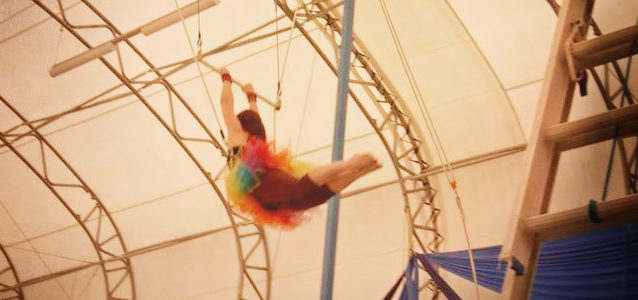
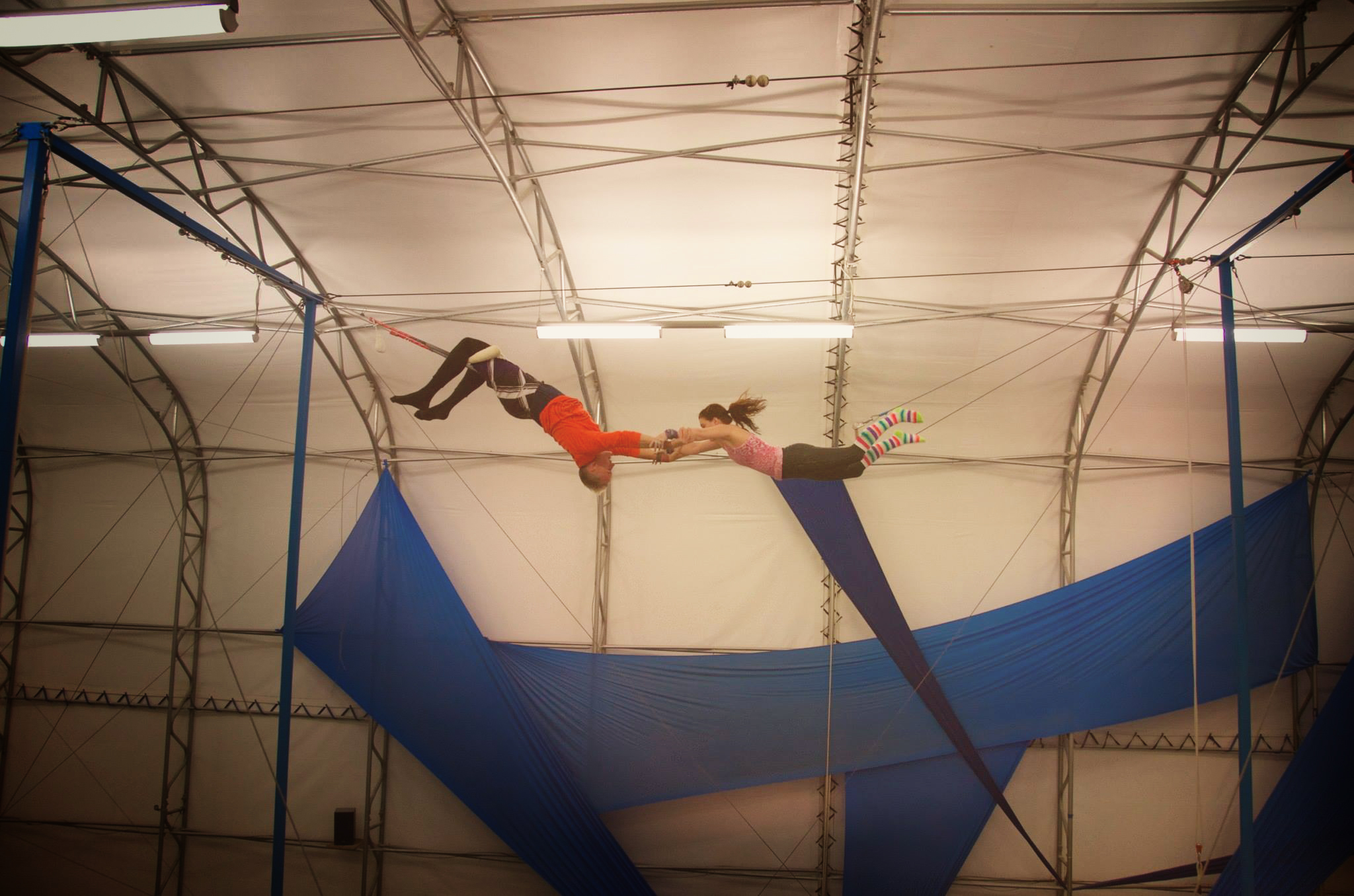
When it comes to being a top banana in SANCAFEST, SANCA’s new Board Member and longtime student, Beth Baker, sure knows a thing or two! She has been a student since the very early days in the fly tent, and Beth is consistently one of our top SANCAFEST participants, raising $1,000 every year for the youth scholarship fund.

I feel that my success in fundraising is due to persistence. I post on Facebook often, and give my Facebook friends and family interesting tidbits about where and how their donations help at SANCA. I like to send out reminder emails as well. I target those who have donated in previous years, and also try to expand my email list with new possible donors every year. If it is coming down to the wire, a simple giveaway, like a favorite recipe, can help. It can aid in making the decision for those donors on the fence. Lastly, posting fun videos, GIFs, or pictures periodically, with your donation link, show your Facebook community what you do at SANCA and gives them an idea of what they are helping support. Personalization is key!

Beth, do you remember how you first heard about SANCA?

On Living Social actually, back when that was popular. I moved to the Seattle area, from upstate New York, in the summer of 2005 after my husband and I had both graduated college. I didn’t know anyone out here, and most of my new coworkers were much older than I was, so it wasn’t easy to make friends.

Back in high school, I used to dance, do musical theatre, and color guard. I had mentioned to my husband about wanting to get back into a creative activity like that. He came across a two-hour flying trapeze class on Living Social, and thought it might be the perfect fit for me. I brought a friend with me to my first class, but she got too freaked out to try it. She did the warm up but wouldn’t climb up to the platform. I was scared to death the whole time, but pushed myself, thought it was fun, and couldn’t wait to try it again.

It was about six months later when I returned with a different friend, and she loved it as much as I did. We came back together monthly until we got into harder tricks, and then started coming twice a month because we needed more practice.

Eventually, she couldn’t come as often, so I had to step out of my comfort zone enough to say, ‘Ok, I love doing this, I’m just going to come by myself,’ and slowly started meeting people in the tent and making friends with other regular flyers.

Then I began taking classes inside, starting with trampoline class, which I totally hated. After that, I found the aerial program and took classes with Coach Alyssa for static trapeze, and I’ve been doing that for about six years (minus two hiatuses to have my kids).

What is it you like about flying?

Flying Trapeze is really about getting out of your comfort zone, embracing the fear, and challenging yourself. Once you finally get comfortable with a trick or skill, you switch it up to learn something new, and have to go through the whole getting comfortable and confident process all over again. It’s a new experience every single class.

I’ve never been an athletic person. I love the work out and mental and physical challenges of wanting to be better at something. The community we have in the fly tent is really encouraging. We push each other to do our best and to do the things that scare us when it comes to flying.

One of the first circuses I ever went to was Ringling Bros. & Barnum and Bailey Circus, when I was six or seven. It was such a great spectacle to witness. It’s something that you have a hard time wrapping your mind around, where do people go to learn all of these amazing things? It’s so great to see how recreational circus has exploded in the last few years and how more and more people can run away with the circus in their own way. It’s such a cool, unique, and different activity to be a part of. It’s very exhilarating, and it’s very challenging in the best ways.

Now that you are a mom, have you done any baby and me classes?

Beth & her son Jett Baker

When my older son, Jett, turned two I couldn’t wait to start taking him to the baby and me classes. We did that class together for almost a year. Now, he’s graduated to Tot Circus 1 and has been in that class for almost a year. As soon as Bennett, my younger son, turns 2 we’ll start taking the baby and me classes together. I’m so excited to share SANCA and all the circus fun with both my boys.

Jett is also dying to try Flying Trapeze. When he turns four in November, I’ll be taking him to the fly tent for Pay-Per-Flight so he can get started!

What do you hope your sons will get out of taking circus classes?

Right now? Patience and listening. Jett, compared to his younger brother, is my wild child. Bennett is so easy going and chill. With Jett, it’s about harnessing all this exuberant energy he has. It is my hope that directing his enthusiasm into a movement based, creative, and challenging activity will turn into something positive for him as he grows.

It’s great to be able to expose them to classmates and coaches from all different backgrounds and lifestyles. It’s this kind of positive exposure that all our children need to grow up to be kind, respectful, and loving human beings.

I also love that I am able to introduce them to the arts at a young age. As an graphic artist myself, I like giving them the opportunity to try out different creative avenues and find different ways to move their bodies and express themselves.

It is my hope, that they will want to stick with circus as they grow, and that they find their niche and passion in it.

What drew you to want to be on SANCA’s board? Are you on any other boards?

This is the first time I’ve ever been on an executive board, though I’ve been involved with other non-profits, in the past, as an active volunteer. In college, I was also in a co-ed, national honor fraternity where we volunteered with our college, non-profits, and local community.

I love how inclusive SANCA is. It doesn’t matter who you are, or what your background or ability is, there is always something you can do or try. It’s a very creative and social environment, whether you’re a kid or an adult. I also appreciate all of the ebc and outreach programs that work with youth with different abilities. I know so many parents who have kids on the spectrum and are differently abled that could/would benefit from the programs and coaches here.

For me, as a work at home mom, I come to SANCA by myself to have my personal time, away from kids, a few hours a week. It’s my outlet, my relaxing time; I choose to be here and to be involved in any way I can.

So, how does she do it? Check Out Beth’s Recipe for SANCAFEST Success:

  1. If you have participated in SANCAFEST in the past, the best way to begin a new SANCAFEST fundraiser is to reach out with periodic targeted emails to donors who have given before.
    Share ongoing information about the impact of their gift and what it means to you.
  2. Offer to give away something simple. (You could do a recipe like Beth’s example, or even offer to do a trick. Coach Faye last year offered to sing any song of the donor’s choice while upside down and Programs Assistant Veronica has offered to try any apparatus of the donor’s choice).
  3. Make it fun! Share fun GIFs, videos, and pictures. You can even live stream your a-thon events and people can donate directly to your live stream!
  4. Be sure to thank your donors! Giving a public Facebook shoutout not only is a nice thing to do, but it will also give your donors warm, fuzzy feelings so they will be more likely to donate to you and SANCA again in the future.
  5. You can check out Beth’s Facebook fundraising page here.

Thanks, Beth, we’re so happy that you are a part of our circus!